 |
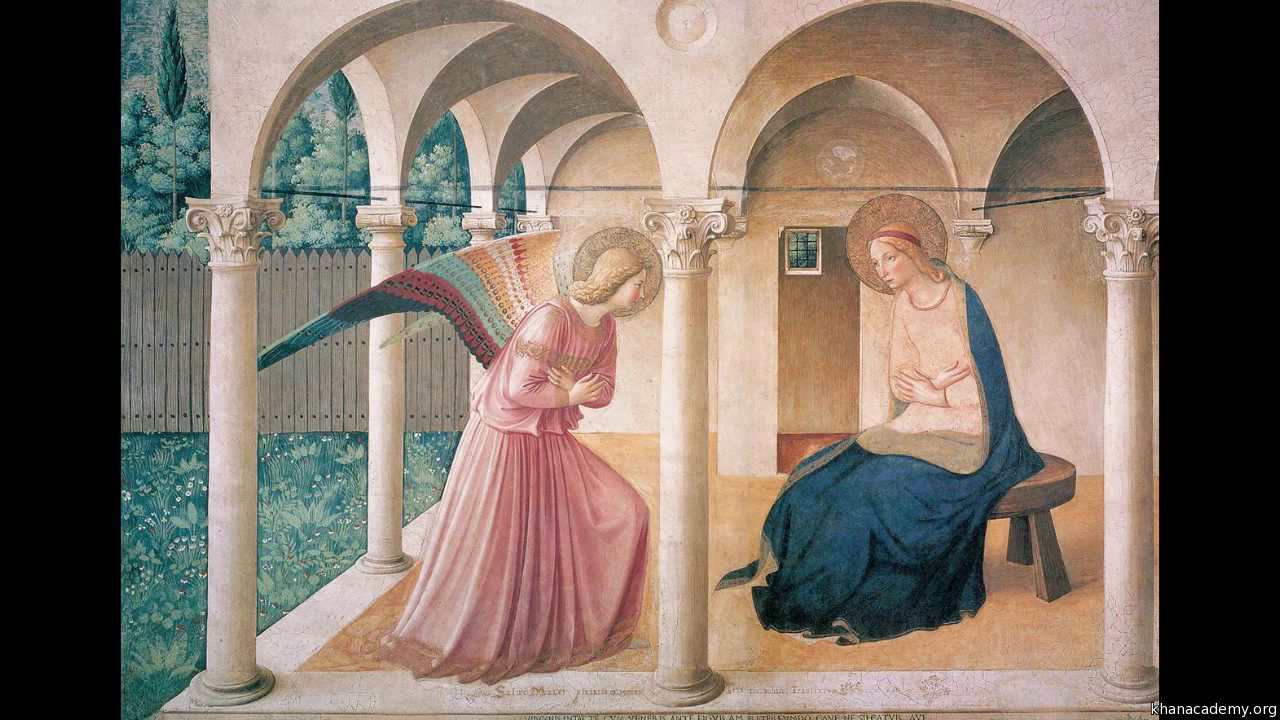
| Anunciación - Bl. Fra Angelico |
Homilía: La Solemnidad
de la Inmaculada Concepción
de la Virgen María –
Ciclo B
Todos
estamos familiarizados con el hecho de que la celebración de hoy ocurre cada
año durante el Adviento. Sin embargo, lo que quizás no sepa es que el
calendario litúrgico de la Iglesia no lo ubicó deliberadamente allí. Más bien,
recordamos y celebramos la Inmaculada Concepción el 8 de diciembre porque
celebramos el cumpleaños de María el 8 de septiembre (nueve meses adelante). La
concepción de María se calculó al revés de su cumpleaños, independientemente de
Adviento. Sin embargo, a pesar de que nuestra celebración de la Inmaculada
Concepción no fue colocada intencionalmente en Adviento, parece que la Divina
Providencia ha hecho que este incidente fortuito en un incidente significativo de
Dios.
El
Adviento es el momento cuando recordamos cuán oscuro era el mundo antes de
Cristo y cuán oscuro aún es el mundo donde los corazones aún no se han vuelto
hacia él. Antes de Cristo, la raza humana no podía salvarse del mal—es decir,
no podíamos alcanzar la felicidad y la paz para la que fuimos creados—porque el
pecado original nos había excluido de nuestro destino. Por lo tanto, Dios vino
a nuestro rescate enviándonos un Salvador: su Hijo Divino, Jesucristo. Por
medio de Cristo, por lo tanto, podemos decir, como escribió San Pablo a los
Efesios en su carta de la que leemos hoy, que Dios "nos ha bendecido en él
con toda clase de bienes espirituales y celestiales". Es verdad que, sin
la gracia de Cristo, ninguno de nosotros tendría ninguna posibilidad de obtener
plenitud y verdadera felicidad. Pero con su gracia, lo hacemos; y ese es el
mensaje de Adviento: que Cristo vino y nos restauró a la gracia y que él
volverá para llevarlo a su cumplimiento, y ese también es el mensaje de la
Inmaculada Concepción.
Es
verdad que la grandeza de María no proviene de su inteligencia, belleza o
encanto. En otras palabras, no proviene de sus cualidades naturales. La grandeza
de María, más bien, proviene de que Dios la llena con una porción
extraordinaria de su gracia: una gracia a través de la cual la protegió de la
mancha y los efectos del pecado original, convirtiéndola así en la madre
perfecta para Jesús. Es por eso que el ángel Gabriel la saludó con esas
palabras que solemos repetir: "Dios te salve María, llena eres de gracia,
el Señor está contigo..." en lugar de "Dios te salve María, la
persona más amable que conozco, el Señor está contigo..." También es por
esto—que María fue bendecida por una gracia extraordinaria—que también hacemos
eco de las palabras de Isabel a María en la Visitación: "...bendita tú eres
entre todas las mujeres". Lo que más le importaba a María era la acción de
Dios en su vida, y lo mismo nos importa más a nosotros.
Es por
eso que encontramos santos canonizados en todas las situaciones de la vida:
jóvenes y viejos, educados y sin educación, ricos y pobres, dotados y torpes.
Cada uno de nosotros fue creado para vivir en comunión con Dios; y solo a
través de la amistad con Cristo podemos lograr eso. Por lo tanto, todas
nuestras otras actividades, talentos, metas, éxitos, fracasos, premios—es decir,
todo lo demás—es absolutamente secundario.
Soy un
gran admirador del arte del Renacimiento y algunas de mis piezas favoritas de
arte renacentista son las pinturas que se pueden encontrar en la iglesia de San
Marcos en Florencia, Italia. El gran pintor renacentista y fraile dominico,
Beato Fra Angelico, captó esta idea de que no está en nuestros dones que
encontremos grandeza, sino en la gracia de Dios en nosotros en su magnífica
pintura de la Anunciación, encontrada en el convento de la iglesia de San
Marcos.
La
pintura está pintada en la pared de una de las celdas de los frailes, y estaba
destinada a fomentar la meditación y la oración. Muestra parte de un patio: una
pequeña sección de una columnata arqueada (o pequeña pasarela con pilares) que
se abre a un jardín. En la apertura ves al arcángel Gabriel, entregando su
mensaje. En el otro lado, el lado amurallado de la columnata (a la derecha
cuando lo miras) es María. Allí está sentada en un banco de madera, vestida con
un sencillo y humilde atuendo, con los brazos cruzados sobre el pecho con
humildad. Las paredes y el techo de la columnata están completamente desnudos:
sin decoración. Los colores utilizados en la pintura son tenues: incluso las
gloriosas alas del ángel están quietas. No hay ninguna señal del ruido de la
actividad humana: es solo María y la Palabra de Dios.
La
belleza de esto, por supuesto, es el recordatorio de que el evento más trascendental
de todos los tiempos—es decir, la encarnación del Hijo de Dios—ocurre en un
ambiente pequeño, sencillo y tranquilo; que luego también nos recuerda que lo
más importante en el mundo es la acción de Dios en nuestras vidas, y que su
acción tiene lugar en el tranquilo jardín de nuestras almas, no en el ruidoso ambiente
de nuestro mundo de hoy.
Hermanos,
hoy recordamos que María recibió una efusión superabundante de la gracia de
Dios en el mismo momento de su concepción. Por lo tanto, ella estaba
"llena de gracia", y sigue siendo así ahora. Dios le dio este
privilegio especial porque le había asignado una misión especial: ser la madre
de Cristo y la madre de la Iglesia. No hemos recibido el mismo privilegio; y
esto porque no tenemos la misma misión. Pero nos ha dado una misión. Cada uno
de nosotros está llamado a conocer, amar y seguir a Cristo de una manera
completamente única. Y así, también hemos recibido la gracia de Dios y
continuamos recibiéndola. Si María estaba "llena de gracia", entonces
estamos "siendo llenados de gracia" y, cuanto más conscientes seamos
de esta gracia, mejor podremos colaborar con ella. Sin embargo, ser consciente
de ello significa saber cómo se ve.
Hay una
idea equivocada acerca de cómo se ve la gracia que está muy extendida, y
obstaculiza el crecimiento espiritual de muchos cristianos. Esta idea
equivocada es pensar que la gracia de Dios siempre está acompañada por
emociones agradables. A veces sentimos la presencia de Dios: como cuando vemos
a la iglesia decorada en Nochebuena o cuando vemos una hermosa puesta de sol.
Pero otras veces, Dios está trabajando duro en nosotros y a través de nosotros
y no sentimos nada (o, peor aún, ¡nos sentimos horribles!). Esto demuestra que
la acción de Dios en nuestras vidas va más allá de las emociones. De hecho, la
oración más grande de Cristo—la oración que hizo en el Jardín de Getsemaní—estuvo
acompañada de profunda tristeza, confusión y temor. Por lo tanto, para dar a la
gracia de Dios la importancia que debería tener en nuestras vidas, tenemos que
aprender a vivir, no por sentimientos engañosos, sino por la fe.
Mis
hermanos y hermanas, al honrar a nuestra Madre espiritual hoy y recibir el
Santísimo Sacramento en esta Misa, pidamos a María que aumente nuestra fe, para
que podamos ser, como ella, cada vez más llenos de la gracia de Dios; porque,
como nuestra madre en el orden de la gracia, ella no quiere nada más que
nosotros también estaríamos "llenos de gracia": con la misma gracia
que nos derrama de este altar, su hijo Jesucristo.
Dado en la parroquia de Todos los Santos: Logansport,
IN
8 de diciembre, 2017

